


The Billion-Dollar Story of Nigeria's Crude oil, Stolen By its Own Guardians.
- by RNG247 Reporter
- about 7 hours ago
- 171 views
Intro
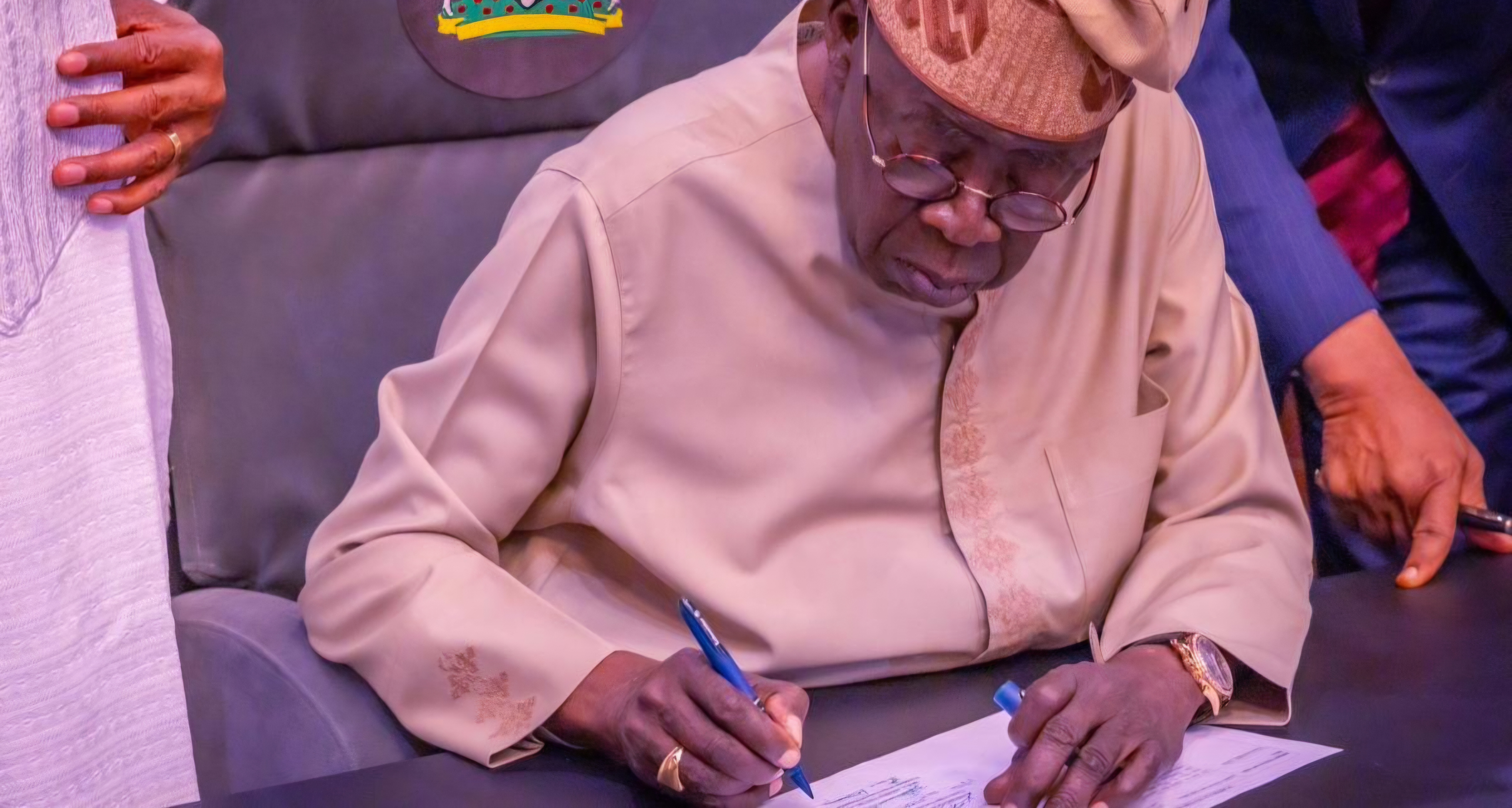
Nigeria stands at a critical crossroads, where vast natural wealth meets profound systemic failure. For years, the nation has invested trillions of naira into securing its oil pipelines—the very arteries of its economy—only to see production stagnate and suspicion grow. Despite massive contracts aimed at curbing theft, crude oil output remains trapped at approximately 1.4 - 1.5 million barrels per day, far below its potential. This stagnation has sparked deep concern among stakeholders and citizens alike, who are left questioning where the money has gone, why production refuses to rise, and who truly benefits from this expensive, unyielding status quo.
The Full Story
The government spends trillions of naira annually on pipeline protection contracts, yet Nigeria's oil production remains stuck at 1.4 - 1.5 million barrels per day, with risks of further decline. This has raised serious concerns among stakeholders about what must be done to increase production.
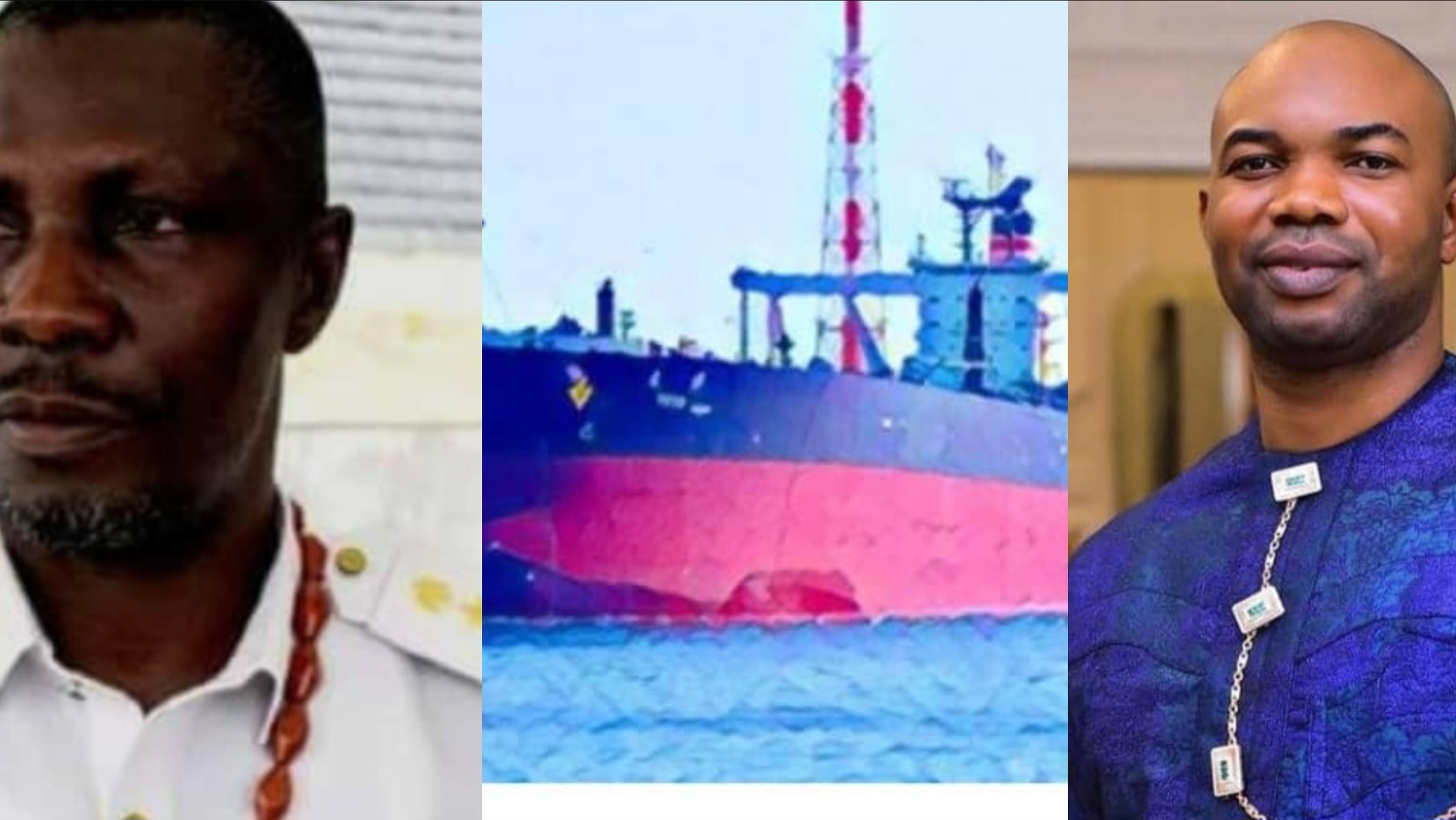
There are other ex-agitator leaders with extensive knowledge of the coastal regions who could perform better than Government Ekpemupolo (Tompolo), if given the opportunity. Empowering a broader range of leaders would likely lead to improved results. The government must avoid the critical mistake of placing Tompolo's Tantita Security in charge of export terminal security, because that is precisely where the nation's crude oil is being stolen. Entrusting the terminals to him is tantamount to placing the nation's livelihood in the hands of alleged major players in oil theft. Even when he is not in charge, they reportedly collaborate with insiders at the Nigerian National Petroleum Company Limited (NNPCL) because they have the network and structure to systematically steal crude. Putting export terminal security under their control would be the final blow to Nigeria's oil sector.
There was an instance where a major stakeholder from the Niger Delta Region, who was being sidelined in the pipeline surveillance contracts, approached the National Security Adviser (NSA) with viable proposal to boost Nigeria's production to over 2 million barrels per day. The NSA began verifying the plan and was nearly persuaded to act, before Mele Kyari (then Group Managing Director of NNPC) learned of the meeting. Fearing that their secret system of draining Nigeria's crude oil would be exposed and stopped, Kyari contacted Matthew Tonlagha (of Maton Engineering). They then embarked on a campaign, bribing influential northerners, ex Governors and others to deceive the NSA into abandoning the stakeholder's proposal.
Mele Kyari and Mathew Tolangha concern is that the stakeholder is the only person with the technical expertise needed to stop the illegal theft of Nigeria's offshore crude oil and to boost production. This belief stems from his deep knowledge of the ocean and his past actions. For instance, during the Niger Delta conflict, he successfully accessed the Bonga oil field in deep waters—a site the nation had believed was unreachable and untouchable. This blackmail successfully derailed the plan, and Nigeria lost the chance to rise above 2 million barrels per day. The loss of crude occurs at the terminals, not the creeks, and this group of Nigeria crude oil criminal cartel are determined to keep their operations hidden.
Those advising President Bola Tinubu against splitting the pipeline security contracts and allowing Tantita, Maton, and others to maintain exclusive control are enemies of the President and the Nigerian people. They do not mean well for the nation.
President Tinubu and all Nigerians must ask themselves some simple questions:
1. The nation spends over 2 trillion naira yearly on pipeline protection, controlled by Tompolo's Tantita Security, Matthew Tonlagha's Maton Engineering and others, yet oil production remains at 1.4 - 1.5 million barrels per day, never surpassing that threshold. Why?
2. Illegal bunkering in the Niger Delta creeks has been largely stopped, so why has oil production not improved beyond 1.4 - 1.5 million barrels per day?
3. Why do certain politicians and securities solicit for Tompolo, and Matthew Tonlagha continue to ensure only they control these lucrative contracts despite making no progress? What are their interest?
The answers are straightforward. The very individuals paid over 2 trillion naira to protect the pipelines are the same people allegedly collaborating with NNPCL insiders to steal crude oil at the export terminals. Since bunkering in the creeks has declined, the massive losses must be occurring at the terminals. These contractors are fighting to keep the contracts exclusively to conceal their role in the ongoing theft.
These individuals are opposed to national growth. This is exemplified by the case of Former Governor of Bayelsa State, Timi Sylva, the alleged coup plotter, who was allegedly assisted in fleeing quickly. His arrest would have exposed many secrets. President Tinubu must realize that Sylva's escape involved collaborators who are very much active, even within his government, working to ensure his failure. They do not care if he succeeds or fails. The plan to undermine him is deep, which is why he must be strategic and not rely on advisors telling him not to split the contracts. Anyone encouraging him to maintain the monopoly does not mean well for him or Nigeria.
To enlighten the President further ; the central corridor of the pipeline security contract was secretly meant for Timi Sylva. He allegedly asked Matthew Tonlagha to use his company's name Maton Engineering as a front to run it, as Sylva did not want to see a fellow Bayelsa ex-agitator leader prosper. Sylva is thus alleged to be instructing how the money is spent. The President must be wary of politicians advising against splitting the contracts; they care more for their pockets than for raising production past 2 million barrels per day.
The President and Nigerians should remember that before the Buhari administration, Nigeria's oil production was consistently over 2 million barrels per day. Shortfalls only occurred during periods of militant pipeline vandalism. Once repairs were made, production returned to normal. Under Mele Kyari's leadership at NNPC, production was artificially kept down to around 1.3 -1.4 million barrels per day, with the difference allegedly pocketed. This structure remains active even after Kyari's departure. The new Group Managing Director of NNPC, Mr. Bayo, cannot easily dismantle it as he does not supervise the export terminal operations. The stakeholder who met with the NSA had a workable plan to exceed 2 million barrels per day, but Mele Kyari and Matthew Tonlagha ensured the NSA was deceived into rejecting it.
Corruption in Nigeria is at its peak, where media houses can be bribed to betray the nation or suppress the truth. Social media influencers are also compromised. Yet, the truth has a way of emerging.
Therefore, President Tinubu must take decisive action. He is known to be smart and capable. By right, Nigeria should not be struggling to reach 2 million barrels per day. But these enemies are so wicked that they are draining the nation without consideration.
Take action now, Mr. President, and you will see the change that will secure victory for your administration and prosperity for Nigeria in 2027.


0 Comment(s)